Fire Equipment Inspector Course Introduction
The fire equipment inspector course is designed to provide participants with the essential knowledge and practical skills needed to ensure that fire safety equipment in the workplace remains functional, accessible, and ready for use at all times. Fire emergencies can occur without warning, and the ability to respond effectively depends heavily on whether fire equipment is properly maintained. Even the most skilled emergency responders are limited if extinguishers, hose reels, blankets, or hydrants are damaged, expired, or obstructed. This course ensures that workplaces are prepared, compliant, and capable of acting swiftly during fire-related incidents.
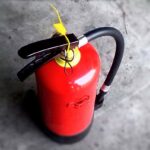
This fire equipment inspector course focuses on the routine inspection and monitoring of all fire safety equipment commonly found in workplaces. Participants will learn to inspect fire extinguishers for correct pressure levels, intact seals, clear labeling, and up-to-date service markings. Instruction also covers examining fire hose reels, hydrants, and sprinkler systems for wear, leaks, corrosion, tampering, or misuse. The ability to recognize early signs of deterioration allows organisations to correct issues before equipment failure occurs.
A key responsibility emphasized in the fire equipment inspector course is ensuring accessibility. Fire equipment loses value if it cannot be reached quickly during an emergency. Participants will learn how to identify and remove obstructions that block fire extinguishers, hose reels, emergency exits, and evacuation routes. The course highlights common workplace conditions that unintentionally create hazards, such as storage stacking, furniture rearrangements, locked exit doors, or improper placement of machinery. Maintaining clear emergency paths is a core component of workplace fire safety readiness.
Legal awareness forms another essential topic within the fire equipment inspector course. While not every workplace is required to appoint a dedicated fire equipment inspector by law, all businesses are obligated to maintain functioning fire safety equipment under workplace safety regulations. Participants will gain an understanding of compliance standards, inspection record requirements, and the broader legal responsibility employers hold for safeguarding employees and visitors. This knowledge supports organisational accountability and helps prevent penalties, losses, and avoidable incidents.
The fire equipment inspector course also trains participants in documentation and reporting procedures. Accurate record-keeping ensures that inspections are traceable and that maintenance or service requests can be communicated clearly. Participants will learn how to complete inspection checklists, identify priority risks, submit reports to supervisors or safety officers, and track servicing schedules. Effective documentation practices support continuous improvement and demonstrate due diligence during internal or external audits.
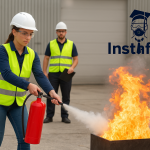
Practical learning forms an important part of the fire equipment inspector course. Participants practice real inspection methods, examine different types of extinguishers, and evaluate equipment placement within workplace environments. They also review common fire emergency scenarios to understand how properly maintained equipment supports safe evacuation and early fire suppression efforts. This hands-on approach ensures that learners are confident in applying their skills immediately after training.
Upon successful completion of the fire equipment inspector course, participants receive a certificate confirming their competency. This certification is valuable for Health and Safety Representatives, supervisors, fire wardens, facility administrators, shift leaders, and employees responsible for emergency readiness. It strengthens workplace safety culture by ensuring that individuals understand how to monitor equipment reliability and maintain compliance.
Investing in the fire equipment inspector course benefits employers by reducing risk, improving fire preparedness, and reinforcing regulatory compliance. Trained inspectors play a vital role in preventing small hazards from escalating into emergencies. Their vigilance helps protect employees, safeguard property, and maintain operational stability. By ensuring fire equipment is always service-ready, organisations demonstrate responsibility and commitment to safety.