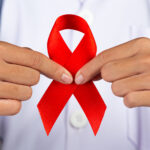
Aids Awareness Course
Aids Awareness Course Introduction
The Aids Awareness Course is designed to provide participants with comprehensive knowledge about HIV/AIDS, including prevention strategies, safe practices, and ways to promote a safe and supportive environment both at work and within the wider community. South Africa continues to have one of the highest HIV/AIDS prevalence rates in the world, making education and awareness more critical than ever. This aids awareness course equips learners with the understanding, skills, and practical tools to contribute meaningfully to reducing the spread of HIV and supporting those affected.
The training begins by exploring the fundamentals of HIV/AIDS transmission, including common causes such as unprotected sexual activity, mother-to-child transmission during pregnancy or breastfeeding, exposure to contaminated blood products, and other high-risk situations. Participants will gain clear knowledge about safe practices, such as the correct use of condoms, responsible sexual behaviour, and risk reduction strategies. This aids awareness course ensures that learners understand not only how HIV is transmitted but also how it can be prevented, fostering a culture of safety, responsibility, and informed decision-making.
A critical component of the Aids Awareness Course is raising awareness about social responsibility and compassionate support for people living with HIV/AIDS. Participants learn how to interact respectfully and without prejudice, understanding that stigma and discrimination can worsen the challenges faced by affected individuals. The course emphasises equality, empathy, and the importance of creating inclusive environments at home, in the workplace, and in the community. By promoting awareness and understanding, learners are empowered to act as advocates for change and to educate others in their circles about the realities of HIV/AIDS.
In addition to prevention and support, the Aids Awareness Course addresses the broader social and health-related issues surrounding HIV/AIDS. Participants will explore how misinformation, lack of education, and societal myths contribute to the ongoing spread of HIV. The training equips learners with strategies to counteract these misconceptions and promote accurate information within their communities. Participants will also learn about workplace policies, procedures, and best practices for maintaining a safe and healthy working environment, including managing potential exposure risks and understanding employee rights.
This aids awareness course is highly interactive, combining theoretical knowledge with practical activities, discussions, and real-life scenarios. Participants are encouraged to reflect on their own behaviours, attitudes, and perceptions regarding HIV/AIDS, fostering personal growth and increased awareness. By the end of the training, learners will be equipped to deliver informed guidance, educate peers, and participate actively in community-based initiatives aimed at reducing HIV transmission rates.
The Aids Awareness Course also focuses on counselling and support skills for individuals affected by HIV/AIDS. Learners are trained in basic communication strategies, understanding the psychological and emotional challenges faced by those living with the virus. This component ensures that participants are not only informed but also prepared to provide empathetic support, guidance, and encouragement in sensitive situations.
Upon successful completion of the aids awareness course, participants receive a certificate that acknowledges their understanding, skills, and readiness to make a positive impact. This certification demonstrates commitment to personal development, workplace safety, and social responsibility. The course fosters a sense of empowerment, equipping participants to advocate for awareness, prevention, and support within their families, communities, and professional environments.
By participating in this Aids Awareness Course, learners gain essential knowledge, practical strategies, and the confidence to make a difference in the fight against HIV/AIDS. The course promotes safety, compassion, and proactive engagement, ensuring that participants leave not only educated but empowered to take action in reducing the spread of HIV and supporting those affected by the epidemic.
Click on the link below to see the latest statistics.
https://www.unaids.org/en/regionscountries/countries/southafrica
Course Terms and Conditions
Available: Onsite, Offsite and Online.
Duration: Half Day.
Accreditation and Law: This qualification is not a legal requirement for formal accreditation, as there are no specific laws mandating the completion of an Aids Awareness Course. However, the importance of HIV/AIDS education is widely recognised, particularly in South Africa, which has one of the highest prevalence rates in the world. Employers and organisations carry a responsibility to promote a safe and informed workplace, support affected individuals, and ensure that staff are aware of HIV transmission, prevention, and stigma reduction. While the law does not prescribe formal training in HIV/AIDS awareness, it is essential that organisations take proactive steps to educate their employees and promote inclusive, supportive environments.
Although formal accreditation for an Aids Awareness Course is not legally required, many companies choose to implement internal policies that go beyond minimum requirements to ensure consistency, accountability, and social responsibility. Organisations often designate specific personnel—through Human Resources or management directives—to attend formal training in HIV/AIDS awareness. By doing so, the company ensures that at least one individual is well-versed in HIV prevention strategies, support mechanisms for affected employees, and methods for promoting community education. In practice, this trained individual can serve as a resource within the organisation, providing guidance, facilitating awareness campaigns, and helping to create a safer, more informed workplace.
Implementing internal policies to encourage participation in an Aids Awareness Course provides a practical mechanism for achieving both workplace readiness and social responsibility. Trained personnel can educate colleagues about safe practices, reduce misinformation, and provide support to employees or community members living with HIV/AIDS. This approach helps organisations promote equality, reduce stigma, and encourage responsible behaviours, such as practicing safe sex, understanding the risks of blood-borne transmission, and supporting mother-to-child prevention initiatives.
By appointing and training personnel through an Aids Awareness Course, organisations foster a culture of accountability, awareness, and proactive health management. Employees gain the knowledge and confidence to respond appropriately in situations related to HIV/AIDS, whether that involves providing information, supporting affected individuals, or leading workplace awareness initiatives. In doing so, organisations contribute to safer and healthier work environments while reinforcing their commitment to social responsibility and community education.
Certificate: Upon completion.
Get Started
Call Us: 083 486 1359
Email Us: talieta@lantic.net
Request a quote below: